Hi,
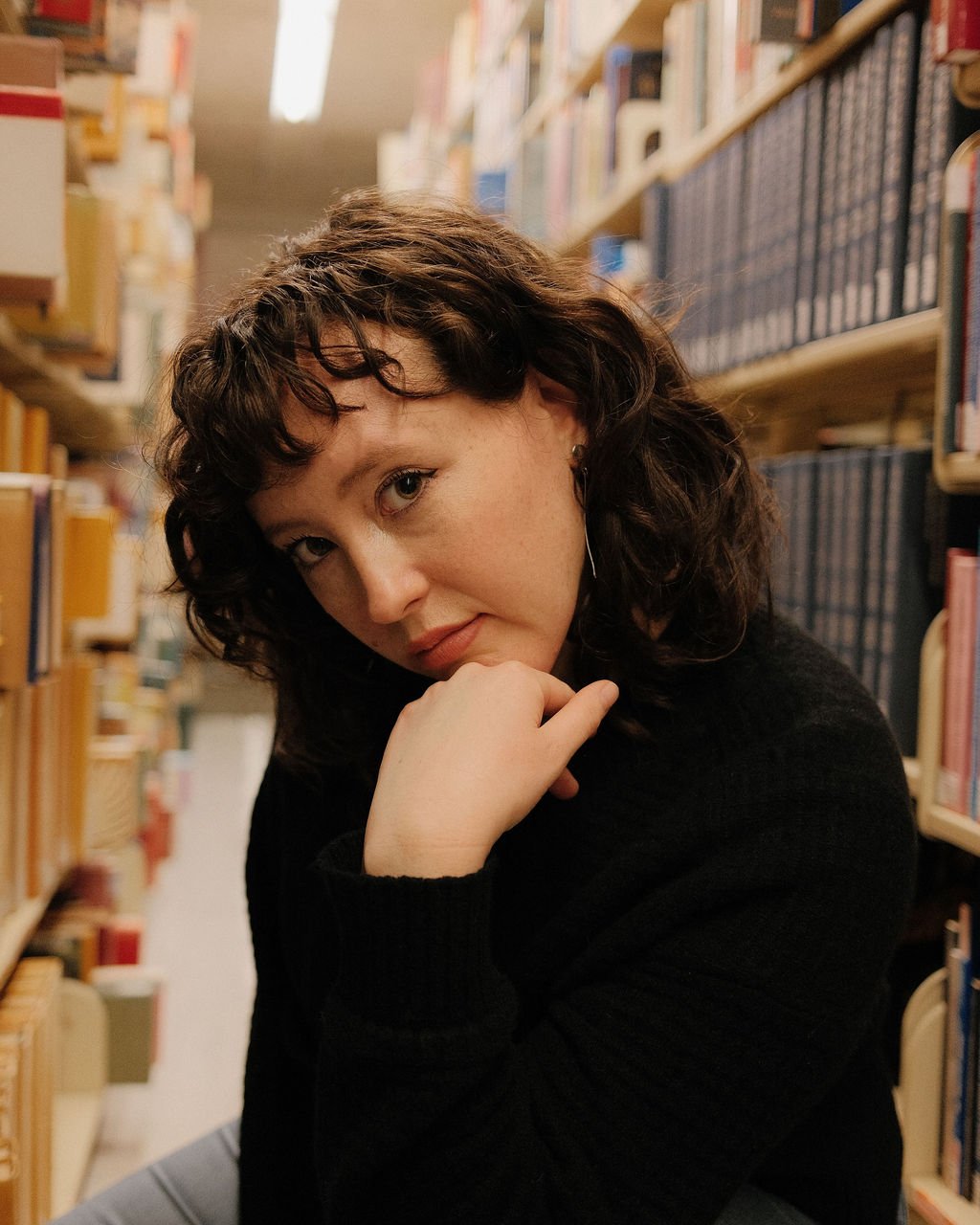
I’m Manon Lefevre, an anthropologist of science and medicine and current postdoctoral research fellow in the department of medical ethics and health policy at the University of Pennsylvania’s Perelman School of Medicine.
I received my BA from Wesleyan University (2014), my MA from University of Kentucky (2018), and my PhD from Yale University (2024).
My scholarship bridges medical anthropology, science and technology studies, and medical ethics. I use ethnographic research methods to explore cultures of contemporary biomedicine and science in and beyond the United States—with a focus on reproductive medicine.
My first book project, entitled “How to Create Life: In Vitro Embryos the Scientists Who Make Them,” centers embryologists who grow and manage human embryos in IVF labs (alongside clinicians and fertility patients)—within a national landscape in which gestating and lab-grown embryos are increasingly legislated as unborn children.
⇩
How to Achieve Life

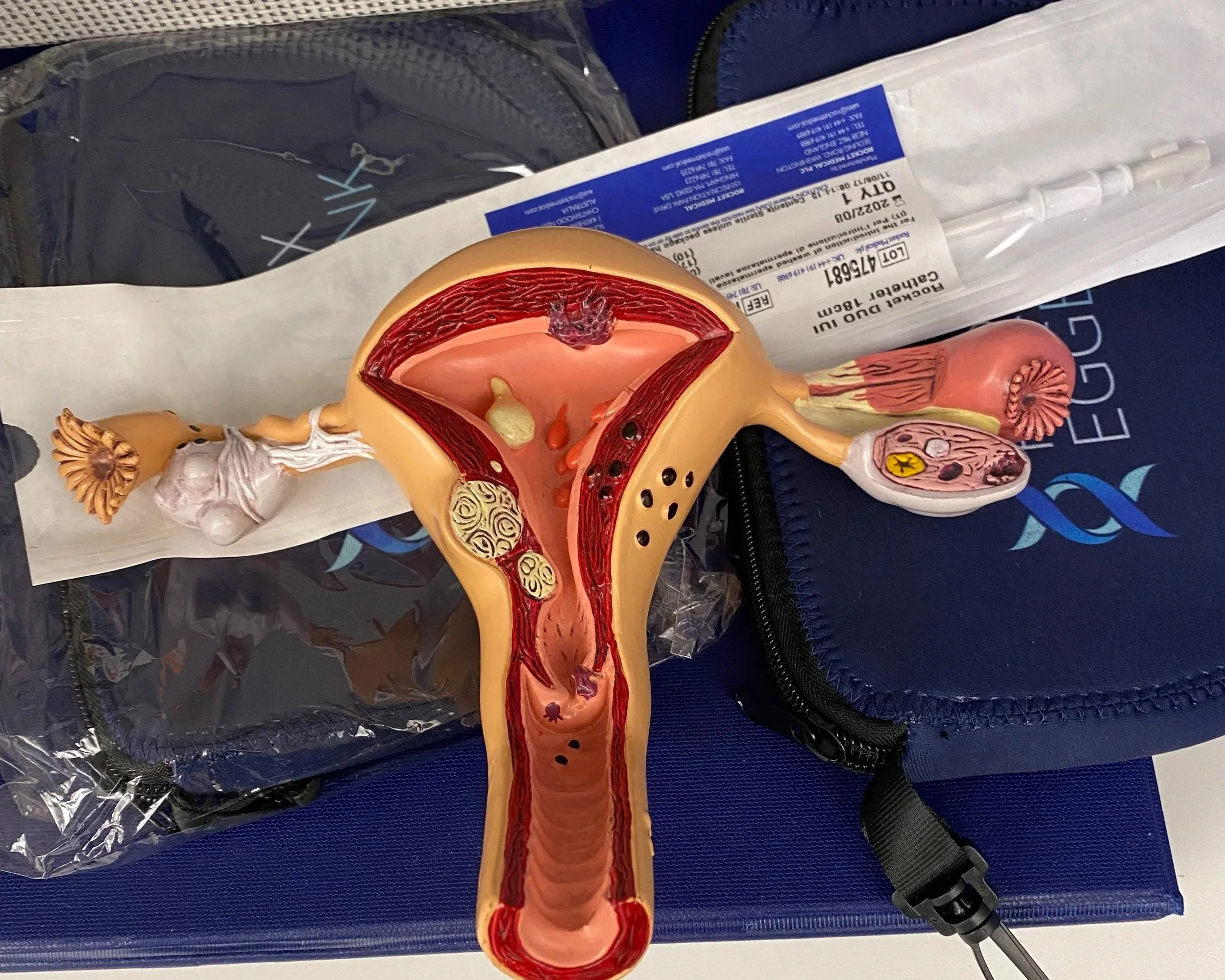
Since the fall of Roe v. Wade, lawmakers around the country have moved to enshrine embryos as legally protected persons. Though we know these laws harm pregnant people, they also threaten the sphere of infertility medicine—where medical providers fertilize eggs, culture human embryos, place them inside uteruses, freeze them in liquid nitrogen, and discard them in biohazard bins.

IVF embryos hold tremendous value for the patients who hope to one day parent them, and for the clinicians who help create them. As my research reveals, embryos can hold a diverse constellation of seemingly contradictory meanings. These meanings emerge in the IVF lab, where lab technicians cultivate them daily. Increasingly, their complex social meanings come into conflict with today’s legal and political landscape of reproductive medicine.
Alongside this project, I have published articles for wide audeinces in Medical Anthropology Quarterly, Fertility & Sterility, Somatosphere, and more, on how IVF practices shape the way we think about embryos in and beyond the clinic.
Chromosomal Politics
My postdoctoral research examines the social, political, and ethical implications of routine and emerging modes of reproductive genetic testing.
My new study asks: How is the ability to sequence the fetal genome changing understandings of pregnancy, disability, illness, and risk?
To explore that question, I am currently conducting a study with prenatal genetic counselors across the country on the emerging clinical use of fetal whole genome sequencing. Fetal whole genome is the most comprehensive prenatal genetic test to date. While clinicians see many benefits, its use also raises critical ethical questions.
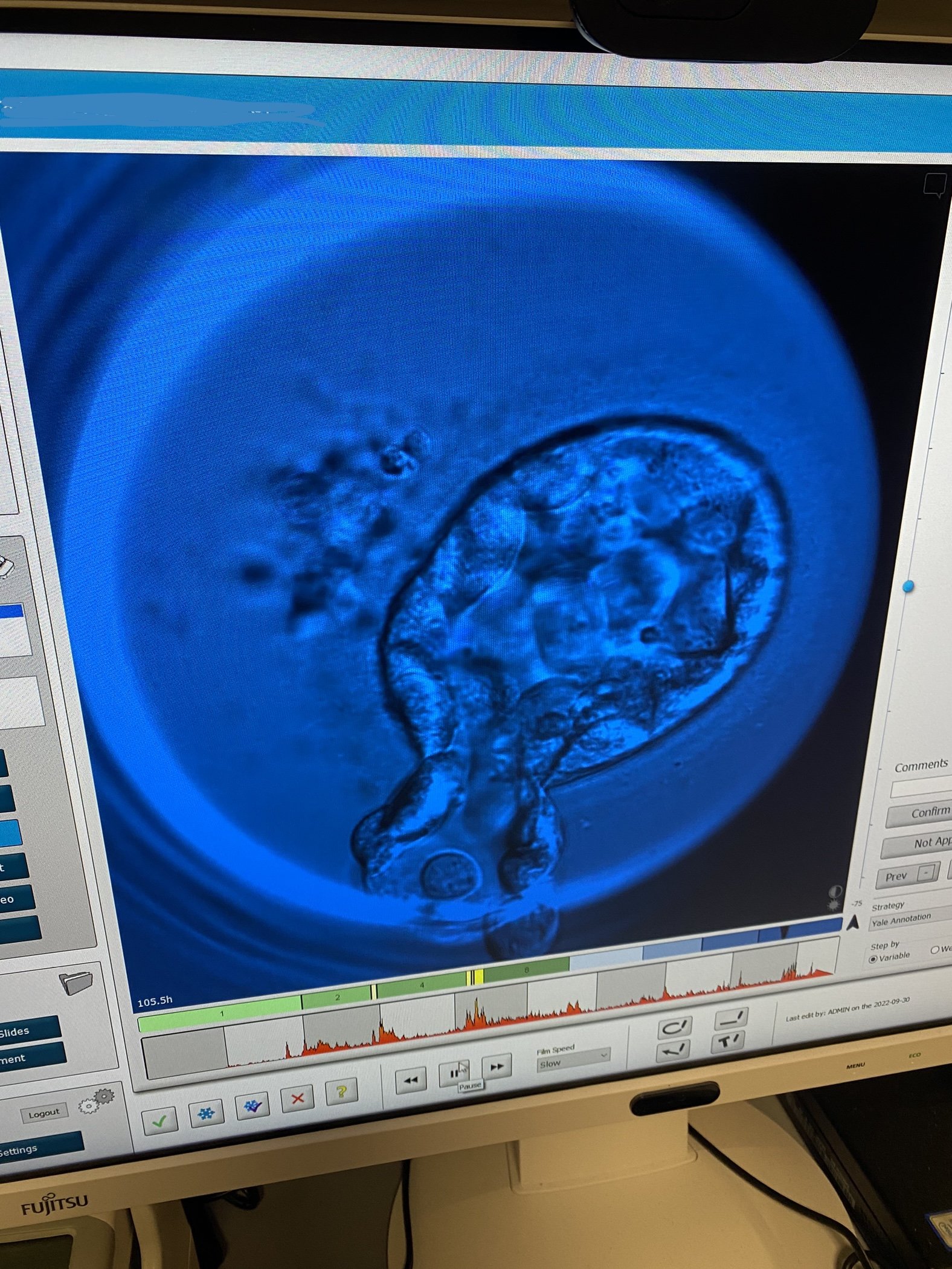
More on chromosomal politics: My forthcoming article in Science, Technology, and Human Values examines how findings of preimplantation genetic tests mediate IVF patients’ relationships with their lab-grown embryos. These “abnormal” test results, I show, can shape not only how patients envision their reproductive futures—but the everyday practices of IVF clinics and professionals.


